

Flexibility is easy to promise and hard to prove.
Plendor’s mission is to help industrial and commercial organisations unlock and safely use their energy flexibility, while supporting NESO’s Clean Power 2030 ambition for a more flexible, stable and responsive UK energy distribution system.
See the platform this feeds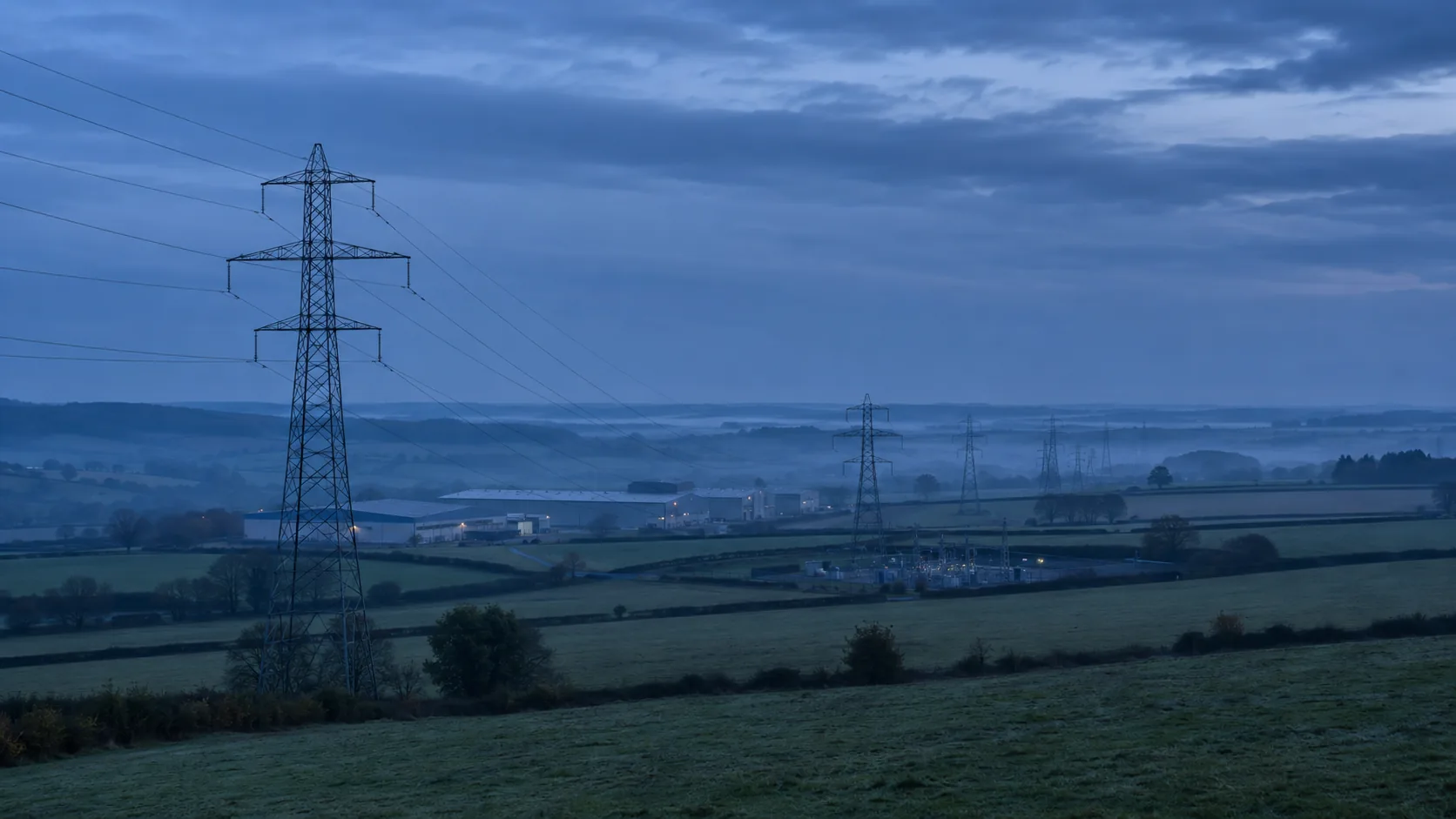
Britain needs a lot more flexibility by 2030.
The government wants clean sources to produce at least as much power as Great Britain uses across a year by 2030. A system built that way has to work around the weather, so it matters when electricity is used and not only how much of it.
Government, Ofgem and NESO publish a roadmap for building that flexibility. They call the demand side of it consumer-led flexibility, or CLF: shifting electricity use away from busy periods, or using more when supply is cheap and clean. The part that covers factories and warehouses has a number on it.
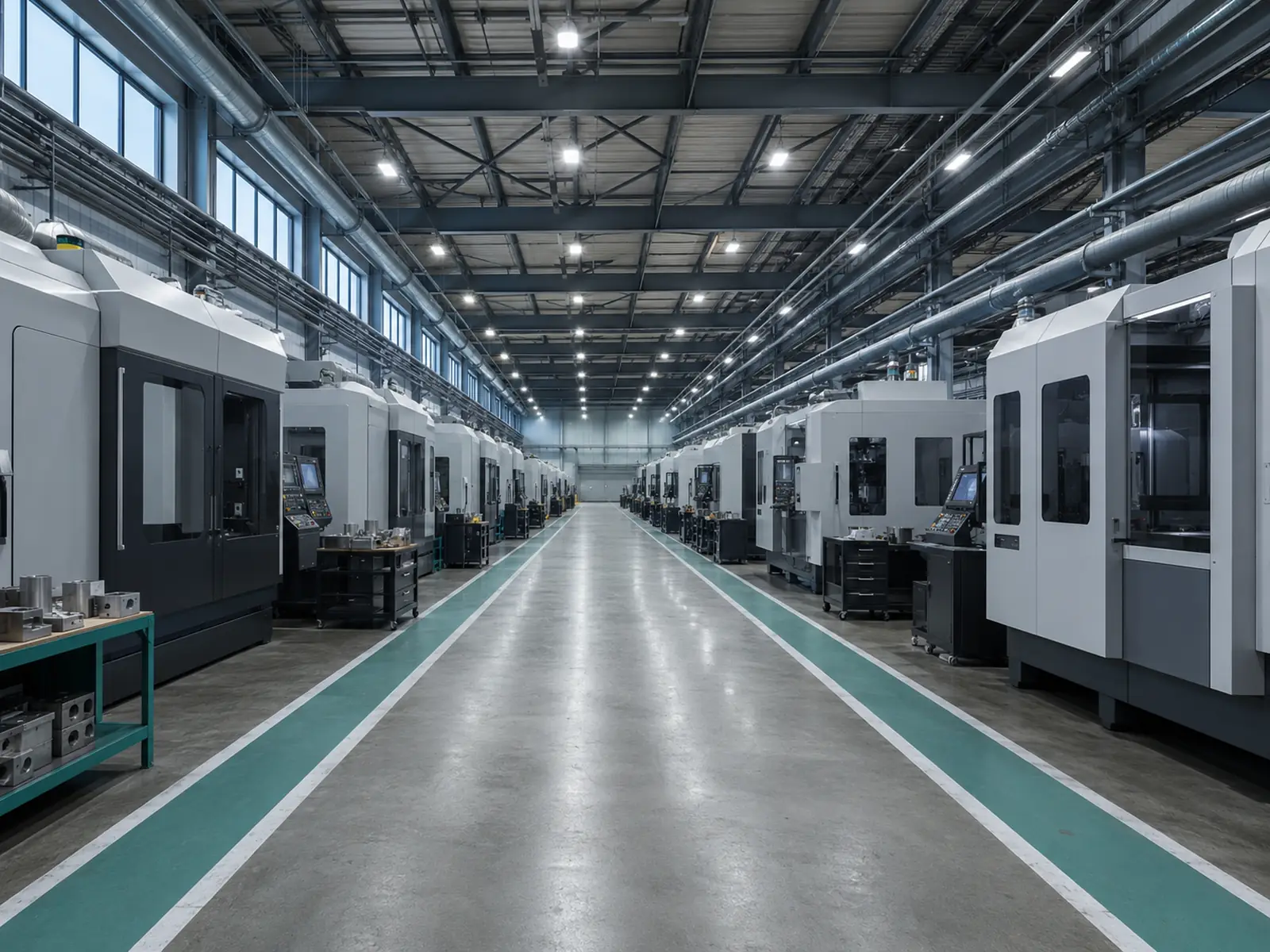
That will not come from a handful of large sites. It comes from hundreds of factories and warehouses, each offering a few hundred kilowatts it can safely spare, and proving that it can. Helping them prove it is what this programme is for.
Who we are working with.
Flow began as a partnership with the AMRC, the Advanced Manufacturing Research Centre, and we built a consortium around it. We formed the consortium for UK Research and Innovation’s Consumer Led Flexibility (CLF) Challenge, part of the Clean Energy Superpower Mission within the UKRI R&D Missions Accelerator Programme.
We came together around one mission: to build a better energy future for Great Britain by empowering industrial companies to become part of the solution.